The Sponsoring Employer Conduit: Anatomy of the 50% SSAS Loan-Back Misuse
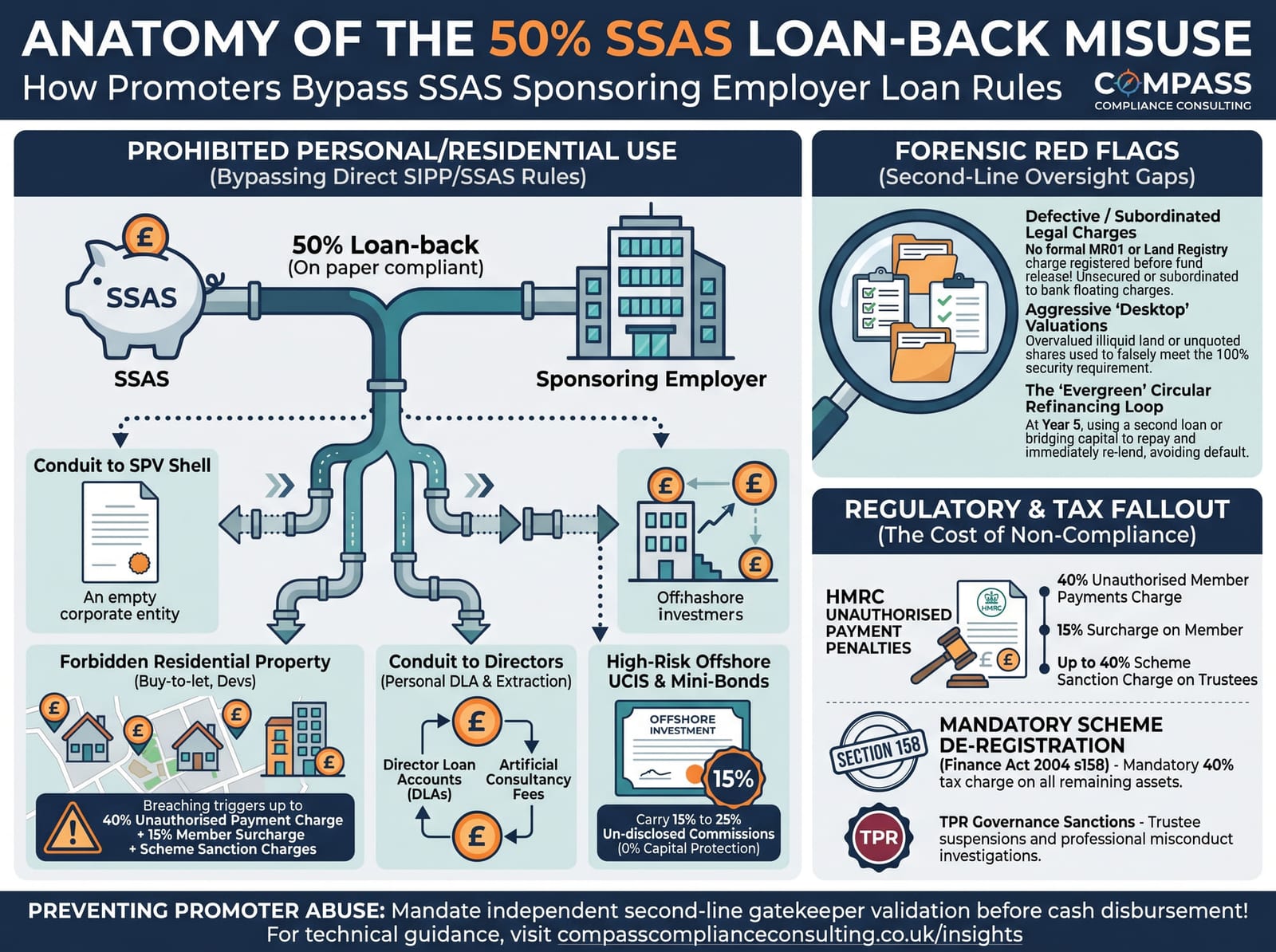
Under the statutory framework established by the Finance Act 2004 and detailed in HMRC’s Pensions Tax Manual (PTM121100), a Small Self-Administered Scheme (SSAS) possesses a unique operational facility: the ability to lend up to 50% of its net asset value back to its sponsoring employer.
Statutory intention here is unambiguous: to provide growing, trading UK businesses with flexible commercial liquidity to fund genuine enterprise needs—such as acquiring plant and machinery, purchasing trading stock, or expanding commercial premises.
In practice, however, second-line oversight and regulatory audits frequently reveal that this facility has been hijacked by unregulated scheme promoters and aggressive introducers. Rather than financing commercial growth, the loan-back is routinely exploited as an unregulated corporate financing mechanism designed to bypass strict pension investment restrictions, fund speculative ventures, and facilitate illicit personal cash extractions.
Here is an examination of how these schemes operate in practice, where the control break-points sit, and what governance gatekeepers must audit to prevent severe regulatory fallout.
How Promoters Exploit the Statutory Perimeter
The statutory loan rules under Schedule 30 of the Finance Act 2004 govern only the primary transaction between the SSAS trustees and the sponsoring employer. Promoters exploit this legal boundary by treating the borrowing employer as a pass-through conduit.
On paper, the initial loan documentation satisfies all five statutory HMRC criteria:
- The loan does not exceed 50% of scheme net assets.
- It is secured by a first legal charge of equal or greater value.
- The repayment term is capped at a maximum of five years.
- Repayments are structured in equal annual installments of capital and interest.
- Interest is set at least 1% above the Bank of England base lending rate.
Once the loan capital lands in the borrowing employer’s corporate bank account, it commingles with operational cash.The promoter then directs the funds away from commercial trading and into transactions strictly prohibited within a registered pension scheme:
1. Circumventing the Residential Property Prohibition
Registered pension schemes are prohibited from directly holding residential property. Breaching this rule triggers penal taxable property charges—often amounting to an unauthorised payment charge of 40%, a 15% surcharge on the member, and a scheme sanction charge of up to 40% on trustees. Promoters bypass direct acquisition rules by using the loaned pension funds within the corporate entity to buy residential buy-to-let portfolios, acquire land for residential redevelopment, or fund holiday lets in the company’s name.
2. Channeling into High-Risk Offshore Notes & UCIS
Promoters orchestrate loan-backs to funnel pension liquidity into high-risk Unregulated Collective Investment Schemes (UCIS), offshore property developments, or speculative unquoted corporate loan notes. These vehicles typically carry exorbitant, non-disclosed introducer commissions (often 15% to 25%), while the underlying investments offer zero regulatory capital protection.
3. Extraction via Director Loan Accounts (DLAs)
In aggressive extraction models, the loaned capital is shifted directly from the corporate entity to the scheme members via Director Loan Accounts (DLAs) or artificial consultancy fees. This effectively converts illiquid, preserved pension wealth into immediate personal liquidity—a blatant form of pension liberation.
4. The Shell Sponsoring Employer
In the most egregious schemes, individuals without an active trading business are directed to incorporate a dormant shell company or Special Purpose Vehicle (SPV) specifically to serve as the “sponsoring employer.” Retail defined contribution or defined benefit pensions are transferred into the newly minted SSAS, 50% of the cash is immediately advanced to the shell SPV, and the cash is dispersed to an offshore developer or personal account. The company possesses no plant, machinery, or trading revenue; it exists solely as an artificial mechanism to extract pension capital.
The Forensic Red Flags: What Second-Line Oversight Uncovers
When forensic file sampling is conducted on connected-party loan books, several recurring vulnerabilities indicate aggressive promoter structuring rather than legitimate commercial lending:
Illusory or Subordinated Legal Charges: The statutory requirement demands an enforceable first legal charge over unencumbered commercial property or assets equal to the loan value. Audits frequently uncover that funds were disbursed prior to formal registration of the legal charge at Companies House (Form MR01) or the Land Registry. In other instances, charges are granted over assets already subject to a floating charge from a senior commercial lender, leaving the pension scheme completely subordinated and unsecured.
Aggressive “Desktop” Asset Valuations: Overvalued collateral is often utilised to engineer compliance with the 100% security requirement. Unquoted company shares, intellectual property, or illiquid land are subjected to non-standard, desktop valuations that fail to reflect open-market realisable value upon liquidation.
The “Evergreen” Circular Refinancing Loop: Because statutory repayments must amortise annually over no more than five years, borrowing companies frequently cannot service the debt from genuine trading cash flow. To avoid formal loan default—which converts the outstanding balance into a taxable unauthorised payment—promoters engineer circular refinancing loops. At year four or five, bridging capital is introduced temporarily to satisfy the pension repayment, only for the SSAS to re-lend the capital under a fresh 5-year loan facility days later.
Regulatory and Tax Fallout: The True Cost of Non-Compliance
When HM Revenue & Customs (HMRC) or The Pensions Regulator (TPR) investigates these arrangements, the commercial and personal consequences are severe:
HMRC Unauthorised Payment Charges: If any of the statutory conditions are breached—whether due to a defective charge, an inadequate interest rate, failure to service repayments, or a finding that the transaction lacked genuine commercial purpose—the loan loses its authorised status. HMRC issues a 40% Unauthorised Member Payments Charge, a 15% Unauthorised Payments Surcharge, and up to a 40% Scheme Sanction Charge against scheme trustees.
Mandatory Scheme De-Registration: Under Section 158 of the Finance Act 2004, persistent or deliberate statutory misuse results in HMRC de-registering the SSAS entirely. De-registration triggers a mandatory 40% tax charge on the entirety of the scheme’s remaining assets.
TPR Governance Sanctions: Professional trustees and scheme administrators who fail to demonstrate adequate gatekeeper due diligence face statutory Contribution Notices, financial penalties, trustee suspension, and formal referral to professional bodies for misconduct.
Embedding Second-Line Defensibility
Preventing promoter abuse of the 50% loan-back facility requires shifting away from passive document collection and embedding robust, independent second-line assurance:
Gatekeeper Pre-Disbursement Controls: Operational workflows must mandate hard stops where loan funds cannot be released until independent, third-party confirmation certifies that the first legal charge is registered and priority is secured.
Commercial Purpose Verification: Trustee due diligence must interrogate the underlying commercial rationale of the loan. First-line checklists must require verifiable corporate accounts, proof of active commercial trading,and documented cash-flow forecasts confirming the borrower’s capacity to service the debt.
Targeted Thematic Monitoring: Connected loans should be stratified as high-inherent-risk items within the firm’s Compliance Monitoring Programme (CMP), subjecting 100% of connected transactions to forensic post-execution sampling
For technical guidance on auditing member-directed pension schemes, establishing robust second-line gatekeeper controls, or managing regulatory exposure, explore our advisory services at Compass Compliance Consulting Insights.
Other insights

The CETV Mirage: Why 2026 Multiples Look Nothing Like the 2021 Peak (And Why That Makes Advice Harder)
20 November 2026 , 5 min
UK DB pension CETV multiples have dropped from 30x–40x in 2021 to 18x–22x in 2026 due to higher gilt yields. Here is why lower transfer values actually raise the mathematical bar for suitability under COBS 19 and DBAAT file reviews.
Read article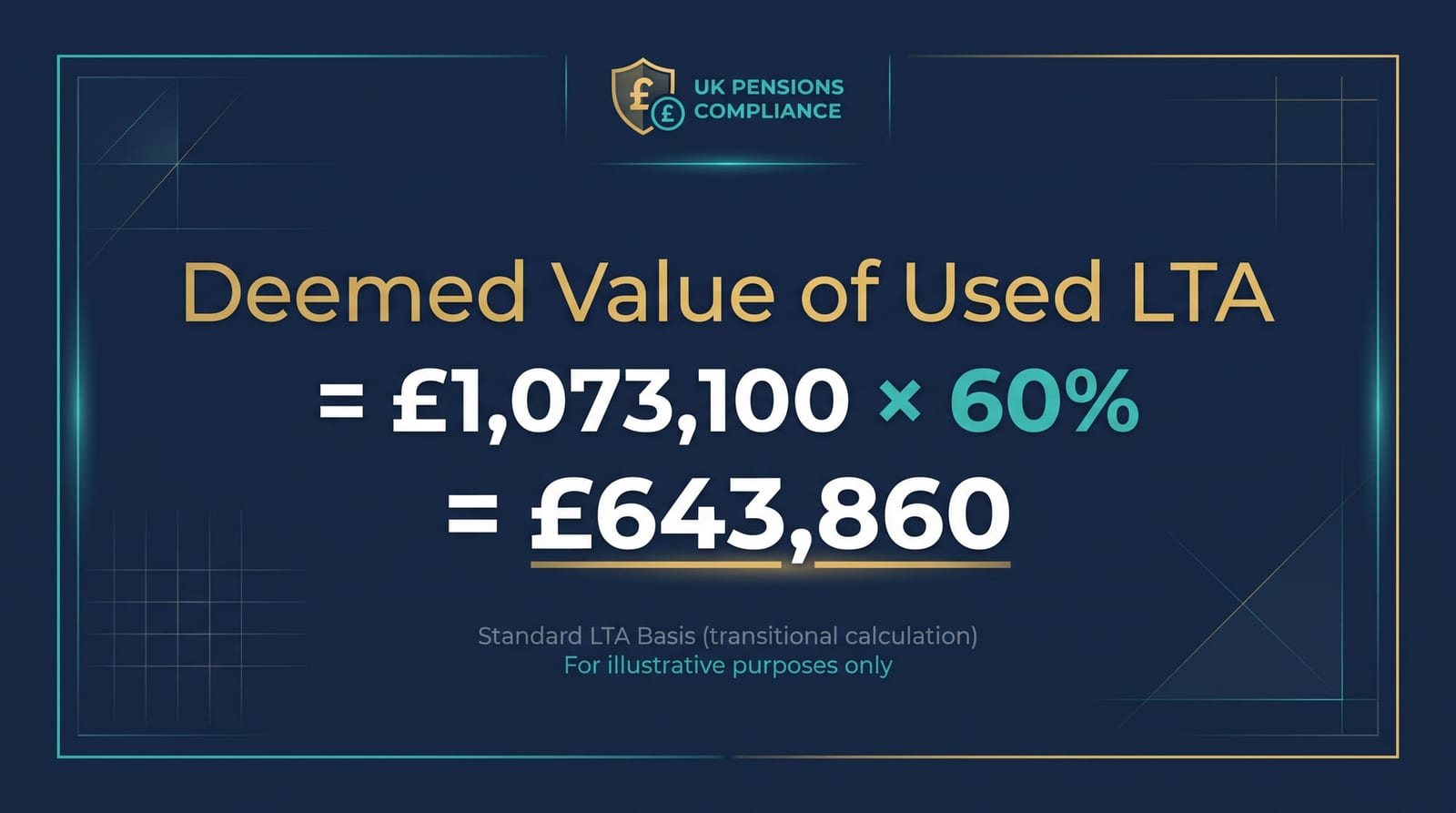
How to Research and Frame Genuine Technical Pensions Enquiries
9 November 2026 , 5 min
Technical support exists to resolve genuine legislative ambiguities, unusual cross-border issues, structural scheme rule defects, and high-risk regulatory conflicts. By researching first and applying the Fact–Research–Conflict format, operations and compliance ensure that when a technical question is raised, it genuinely warrants the escalation.
Read article
Forensic File Reviews, Complex Pension Scrutiny and Ongoing Servicing Audits
22 October 2026 , 12 min
A forensic file review tests defined benefit transfers, high-risk SIPPs and ongoing charges against COBS, SYSC and the Consumer Duty, before a regulator or ombudsman does.
Read article
Financial Crime & Unauthorised Intermediary Funnels: Spotting the "Introducer" Red Flags
20 October 2026 , 6 min
The unregulated introducer model has driven SIPP provider failures and FSCS levies for two decades. Toxic funnels leave repeatable footprints that a structured red-flag audit can find.
Read article
Decumulation Friction: Phased Drawdown, In-Specie Transfers, and Illiquid Asset Traps — When It's Not So Straightforward
18 October 2026 , 6 min
In bespoke SIPPs holding property, unquoted equities or loan notes, pension flexibility is often theoretical. Crystallising benefits without a clear cash pathway creates operational drag, Consumer Duty breaches and complaints.
Read article
SIPP Borrowing & Commercial Property: Navigating the 50% Net Asset Cap and Connected-Party Leases
16 October 2026 , 5 min
Commercial property in a SIPP or SSAS sits under intense HMRC scrutiny. Breaching the 50% borrowing cap or tolerating connected-party rent arrears triggers punitive unauthorised payment charges.
Read article
Auditing Illiquidity and Valuation: The 30-Day Standard Asset Test Under SIPP Capital Adequacy Rules
14 October 2026 , 5 min
Labelling illiquid investments as standard assets suppresses a SIPP operator's capital requirement on paper. A forensic liquidity audit tests every asset against the 30-day gate.
Read article
SIPP Operator Due Diligence: Lessons from Adams v Options UK and the FCA Due Diligence Framework
12 October 2026 , 6 min
An execution-only disclaimer no longer shields a SIPP operator. After Adams v Options UK, reviewers ask whether the operator actively vetted the asset and the distribution channel before accepting it.
Read article
Abridged Advice vs Full Advice: Managing the Boundary Under COBS 19.1A
10 October 2026 , 5 min
Abridged advice can only ever produce two outcomes. Firms that blur the boundary into full advice risk breaching the contingent charging ban and issuing invalid Section 48 confirmations.
Read article
The DBAAT File Audit: Scoring Section 166 Redress Liabilities Before the Regulator Arrives
8 October 2026 , 5 min
The FCA reviews defined benefit transfer books with the DBAAT, not narrative impressions. A single gate failure on capacity for loss or information gathering can render the whole advice outcome unsuitable.
Read article
Unpacking Scheme Solvency: Handling Employer Covenants and PPF Nuance Under COBS 19.1.2DG
6 October 2026 , 4 min
Employer covenant weakness is often used to justify an otherwise unsuitable defined benefit transfer. COBS 19.1.2DG sets clear limits on how scheme solvency and PPF compensation are presented.
Read article
Stress-Testing the APTA & TVC: When Stochastic Cashflow Models Cross into "Wishful Thinking"
2 October 2026 , 5 min
Cashflow modelling is one of the most heavily scrutinised parts of a defined benefit transfer file. Optimistic stochastic models are often used to paper over structural cracks in transfer sustainability.
Read article
CP26/20 & Post-Options SIPP Due Diligence: Why "Execution-Only" Disclaimers Will No Longer Save Operators or Introducers
15 November 2026 , 5 min
With FCA Consultation Paper CP26/20 replacing non-Handbook guidance (FG 13/8) with binding Handbook rules and a new Pension Scheme Money and Assets (PSM&A) regime, execution-only disclaimers no longer insulate SIPP operators from PRIN 2, COBS 2.1.1R, Consumer Duty, or Section 27 FSMA unenforceability. Here is what recent FOS decisions and CP26/20 require Boards and SMF16s to evidence.
Read article
AI Suitability & 100% File Auditing: What SMF16s Must Test Before Relying on RegTech MI
13 November 2026 , 5 min
AI conversation intelligence and automated QA tools promise 100% Consumer Duty oversight. Here is the SMF16 due diligence stress-test every wealth manager and AR network must run before relying on RegTech MI.
Read article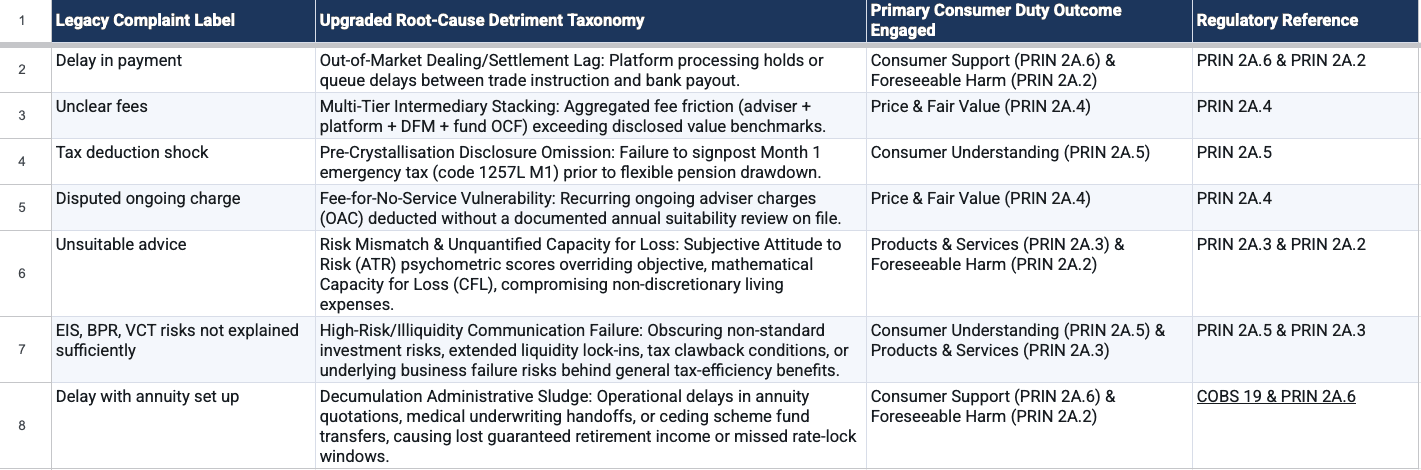
The Complainer: Turning Customer Grievances into an Active Consumer Duty Control Framework
10 November 2026 , 5 min
By building a robust control framework that links root-cause analysis, foreseeable harm assessments, and outcome testing directly into product oversight and board governance, firms do more than satisfy PRIN 2A—they insulate their balance sheets, protect senior management from personal regulatory liability, and build a genuinely resilient financial services business.
Read article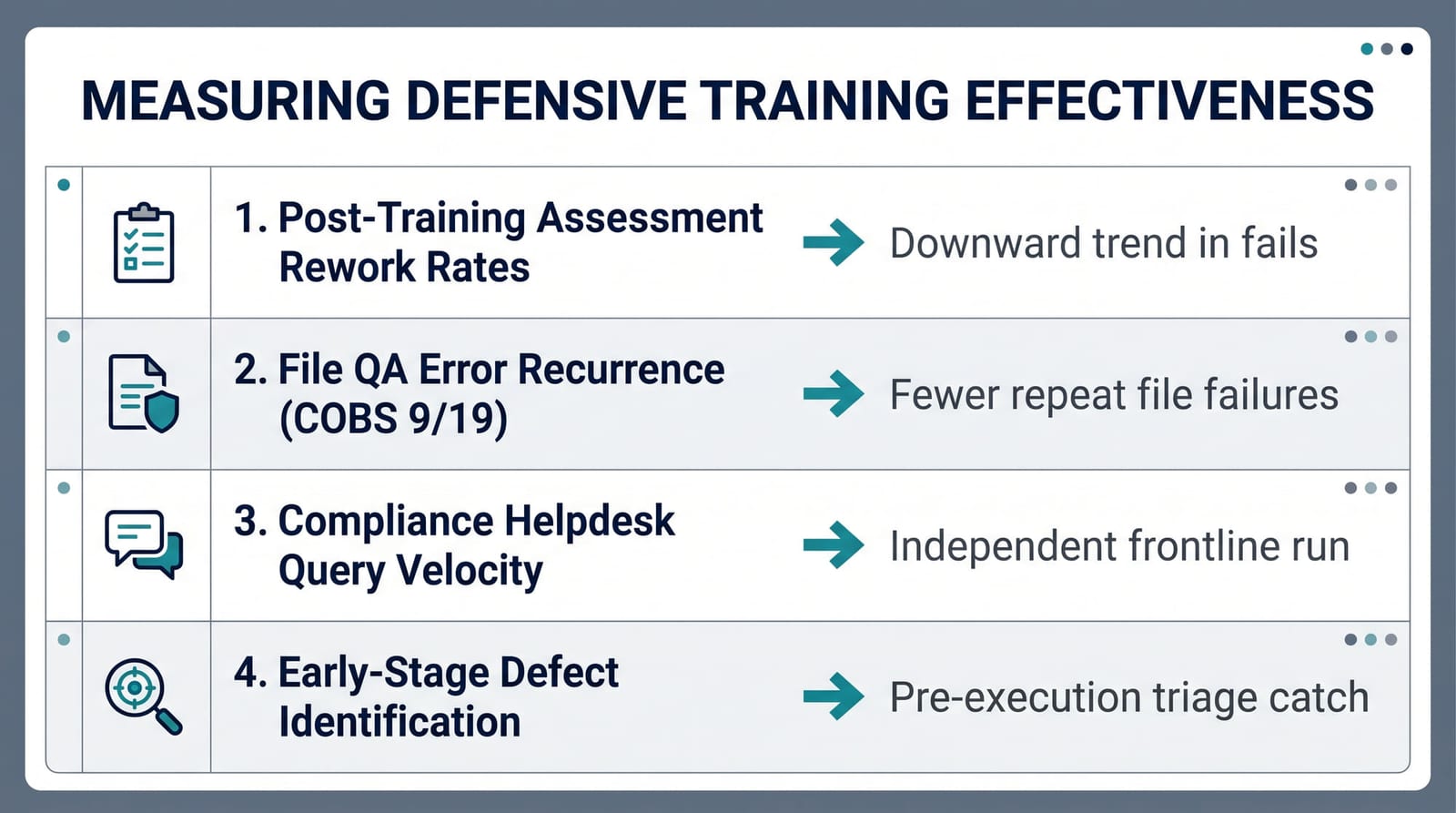
Beyond the Checkbox: Developing and Delivering Compliance Training That Actually Mitigates Risk
9 November 2026 , 5 min
Training is not a once-a-year disruption; it is the first line of defence in your operational governance framework. When aligned with your firm's second-line file reviews and SM&CR reporting, practical education protects your regulatory permissions and insulates senior management from personal liability.
Read article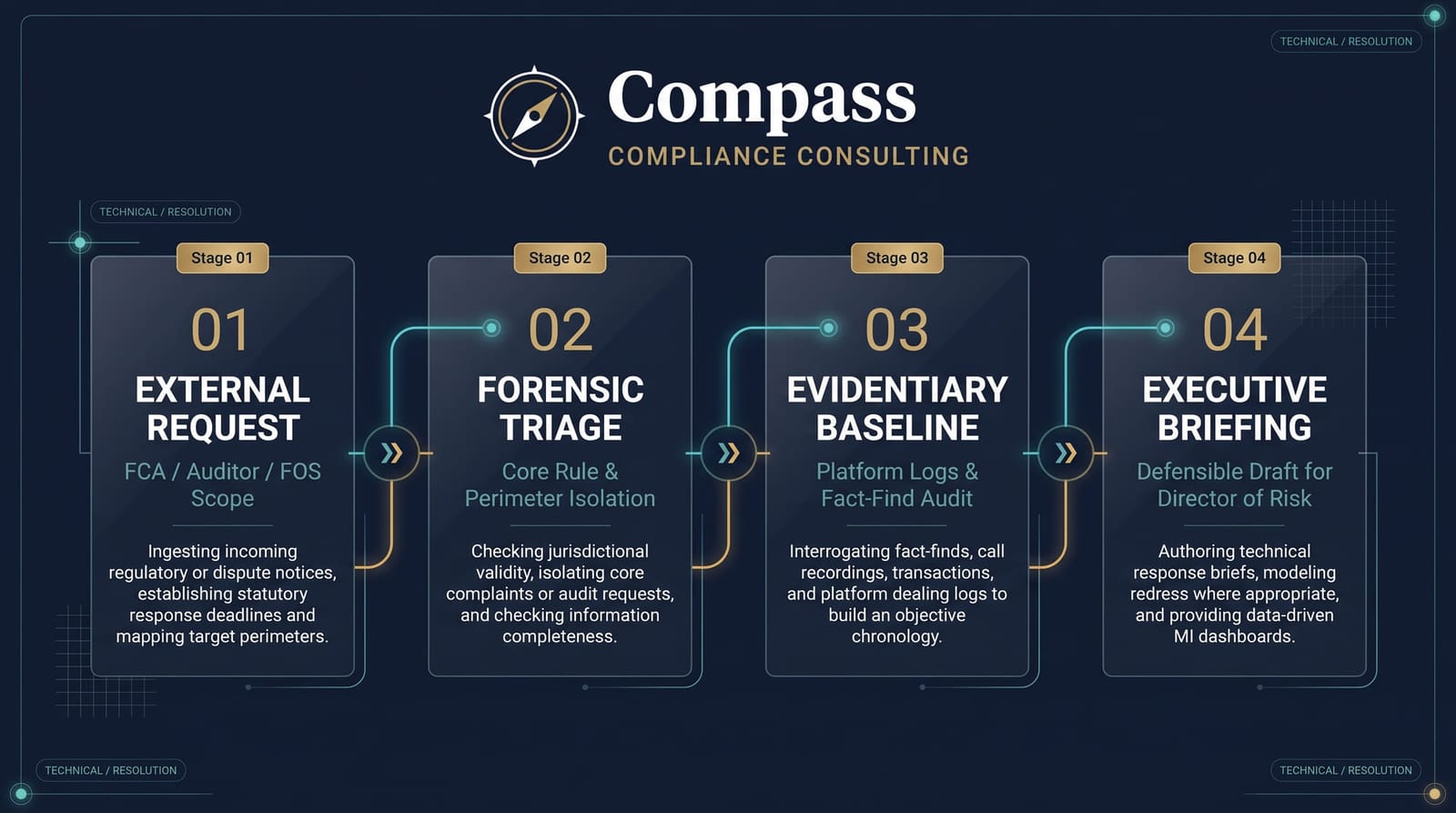
Bridging the Technical Gap for the Director of Group Risk
9 November 2026 , 5 min
By providing rigorous technical support to the Director of Group Risk, the compliance function ensures external stakeholders receive authoritative, evidence-backed submissions that protect the firm's authorisations and reputation. Simultaneously, it ensures operational teams receive practical clarity, maintaining compliant, defensible business practices across the entire organisation.
Read article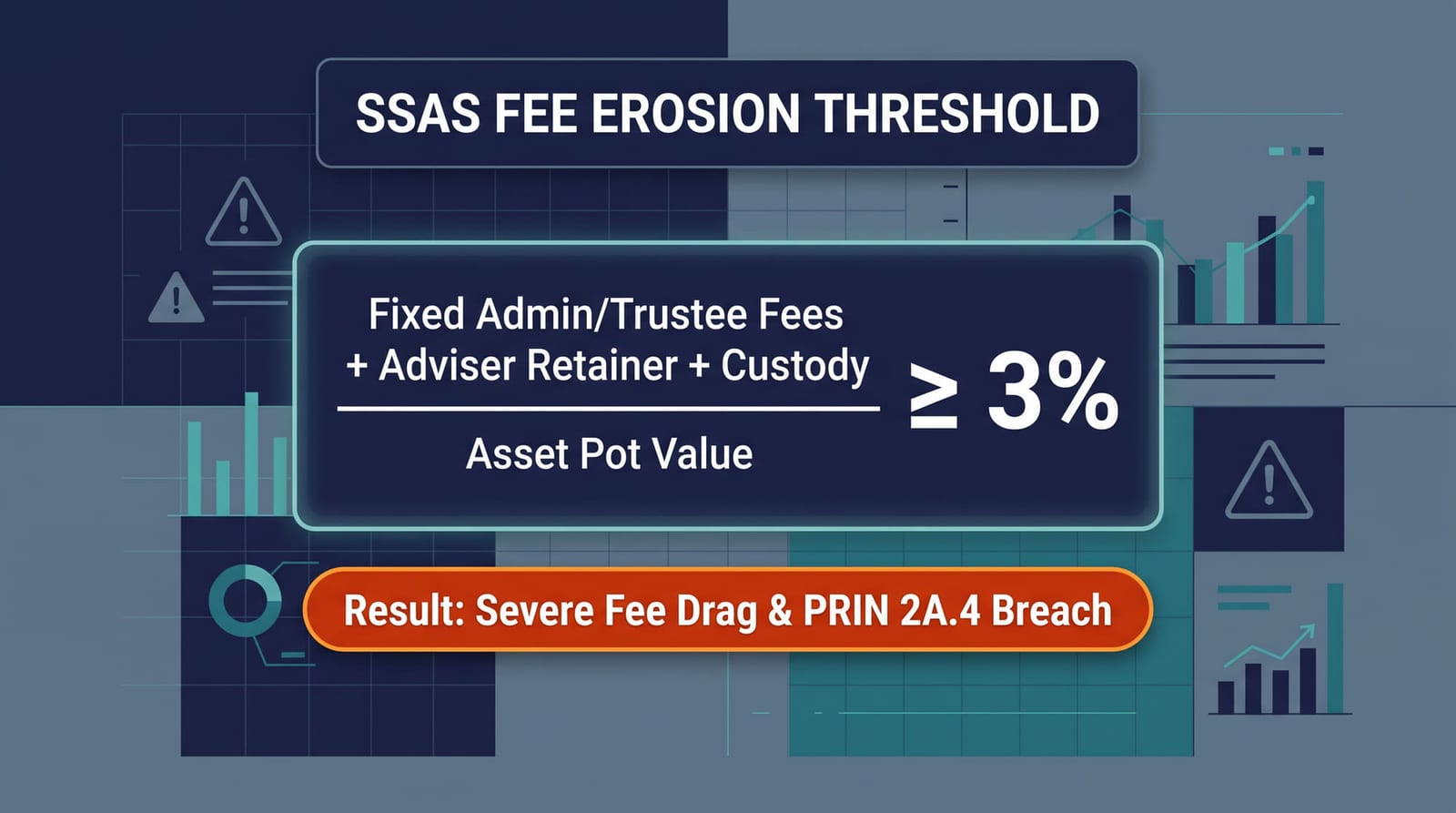
Consumer Duty and SSAS: 5 Critical Operational Impacts
8 November 2026 , 5 min
The distinction between an occupational trust and a personal pension wrapper does not exempt regulated firms from retail conduct expectations. Whether structuring the initial scheme, selecting underlying investments, or auditing ongoing fee extraction, firms servicing SSASs must embed data-driven outcome monitoring to prove their clients receive fair value and avoid foreseeable harm
Read article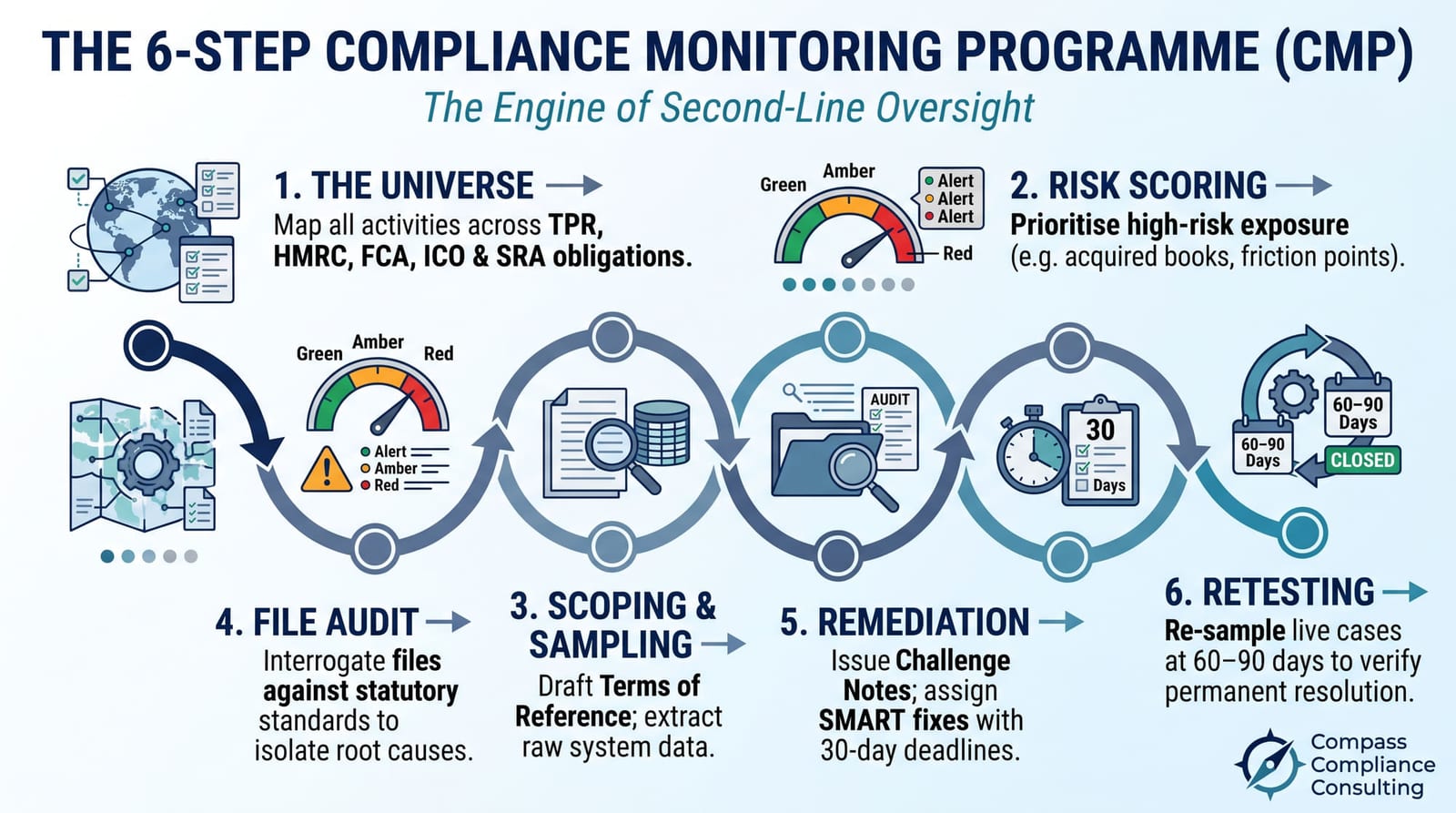
Demystifying the Compliance Monitoring Programme (CMP)
8 November 2026 , 5 min
An effective compliance framework does not treat regulatory obligations in isolation. The testing methodologies, root-cause diagnostics, and remediation loops that drive a successful Compliance Monitoring Programme apply directly across all high-stakes governance areas—including data protection, client privacy, and statutory information security.
Read article
Navigating UK GDPR and Data Protection in Practice
7 November 2026 , 5 min
Data protection is not an isolated legal duty; it is a foundational component of operational resilience and consumer trust. Embedding these disciplines ensures firms protect both their clients from harm and their business from regulatory enforcement.
Read article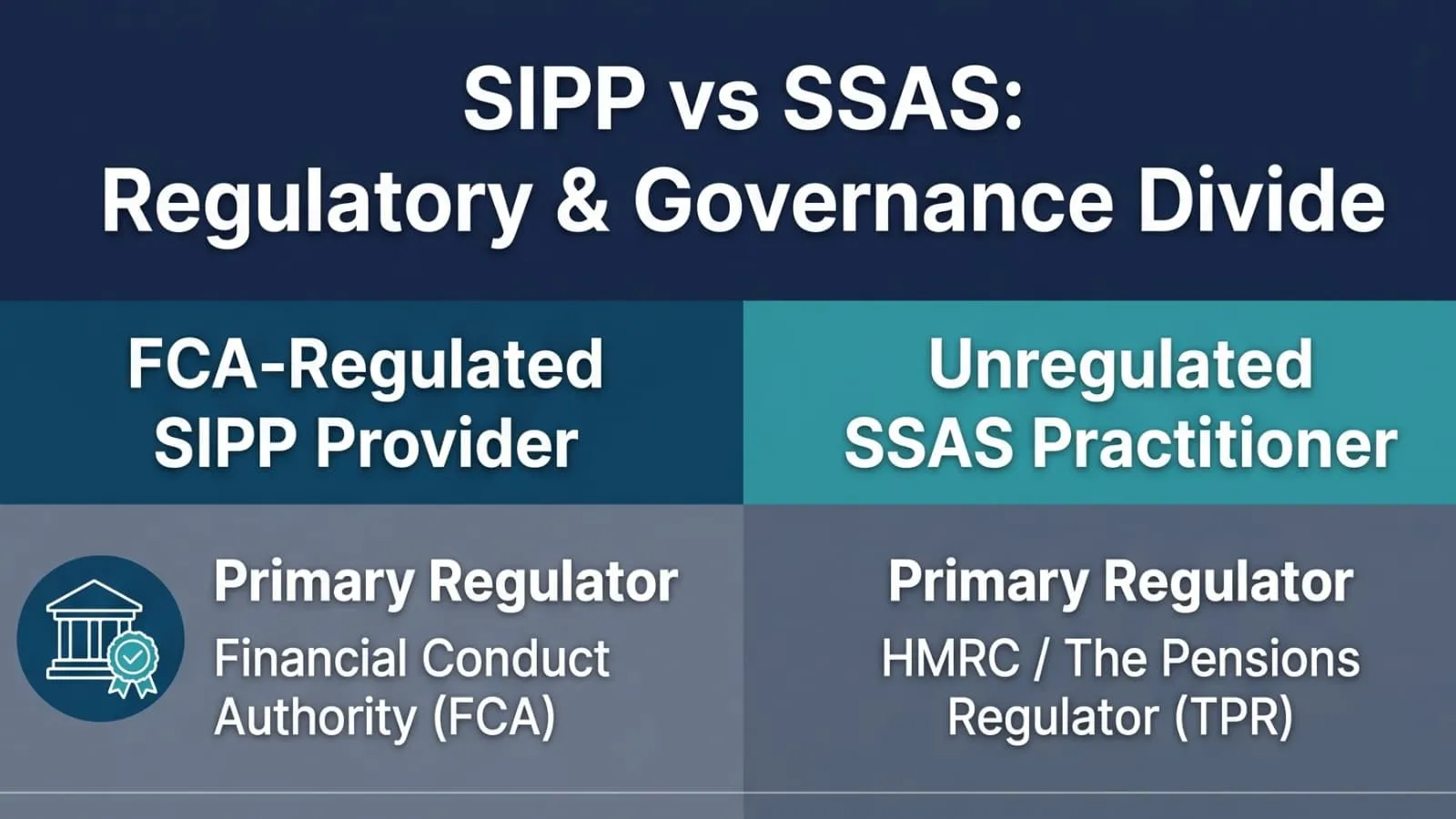
The Regulatory Blindspot: Why Unregulated SSAS Promoters Risk Massive Tax Bombs Under Consumer Duty Scrutiny
7 November 2026 , 5 min
Responsible SSAS providers already operate high-standard governance models, including structured annual trustee meetings to align member strategies with current rules. Bringing the entire SSAS sector under FCA regulation may create an even playing field
Read article
Consumer Duty Governance, Outcome MI and SM&CR Assurance
1 November 2026 , 11 min
Principle 12 asks for contemporaneous proof of customer outcomes. Activity statistics, dealing SLAs and a green dashboard do not provide it.
Read article
Decumulation Telemetry: Tracking SIPP Drawdown Lag as Foreseeable Harm
1 November 2026 , 9 min
A 48-hour dealing SLA can hide three or four weeks between a drawdown instruction and cleared money. That gap is a foreseeable-harm question under PRIN 2A.2.
Read article
The 31-Day MPAA Trap: Monitoring Statutory Trigger Disclosures in Flexi-Access Drawdown
1 November 2026 , 8 min
The Money Purchase Annual Allowance starts when taxable income is paid. The scheme administrator then has 31 days to tell the member. A document sitting in a portal is not that notice.
Read article
Fixed-Fee Erosion in Low-Value SIPP Pots: When Administration Fees Breach Fair Value
1 November 2026 , 8 min
A flat trustee fee that is trivial on a large SIPP can consume several % of a residual pot. PRIN 2A.4 looks at that cohort, not the average charge across the book.
Read article
Strategic FOS Defence, Dispute Resolution and Forensic Redress Modelling
27 October 2026 , 11 min
A practical account of high-stakes complaints: eight-week final responses, DISP 2.8 time-bars, preliminary-view rebuttals and redress modelled to the FCA benchmarks.
Read article
The Jurisdictional Shield: Enforcing DISP 2.8 Time Limits Against Stale Claims
26 October 2026 , 4 min
A complaint about advice given eight or ten years ago is often a jurisdiction question before it is a suitability question. DISP 2.8.2R is the test.
Read article
Rebutting the Ombudsman Investigator's Preliminary View: The Mechanics of an Effective Escalation
26 October 2026 , 4 min
An adverse preliminary view is not the decision. It is a document that can be taken apart where it uses hindsight or misreads the product.
Read article
The 8-Week Final Response Letter: Drafting for the Ombudsman, Not Just the Client
26 October 2026 , 4 min
The eight-week letter is the brief the Ombudsman will read. An apology that concedes a breach is very hard to row back.
Read article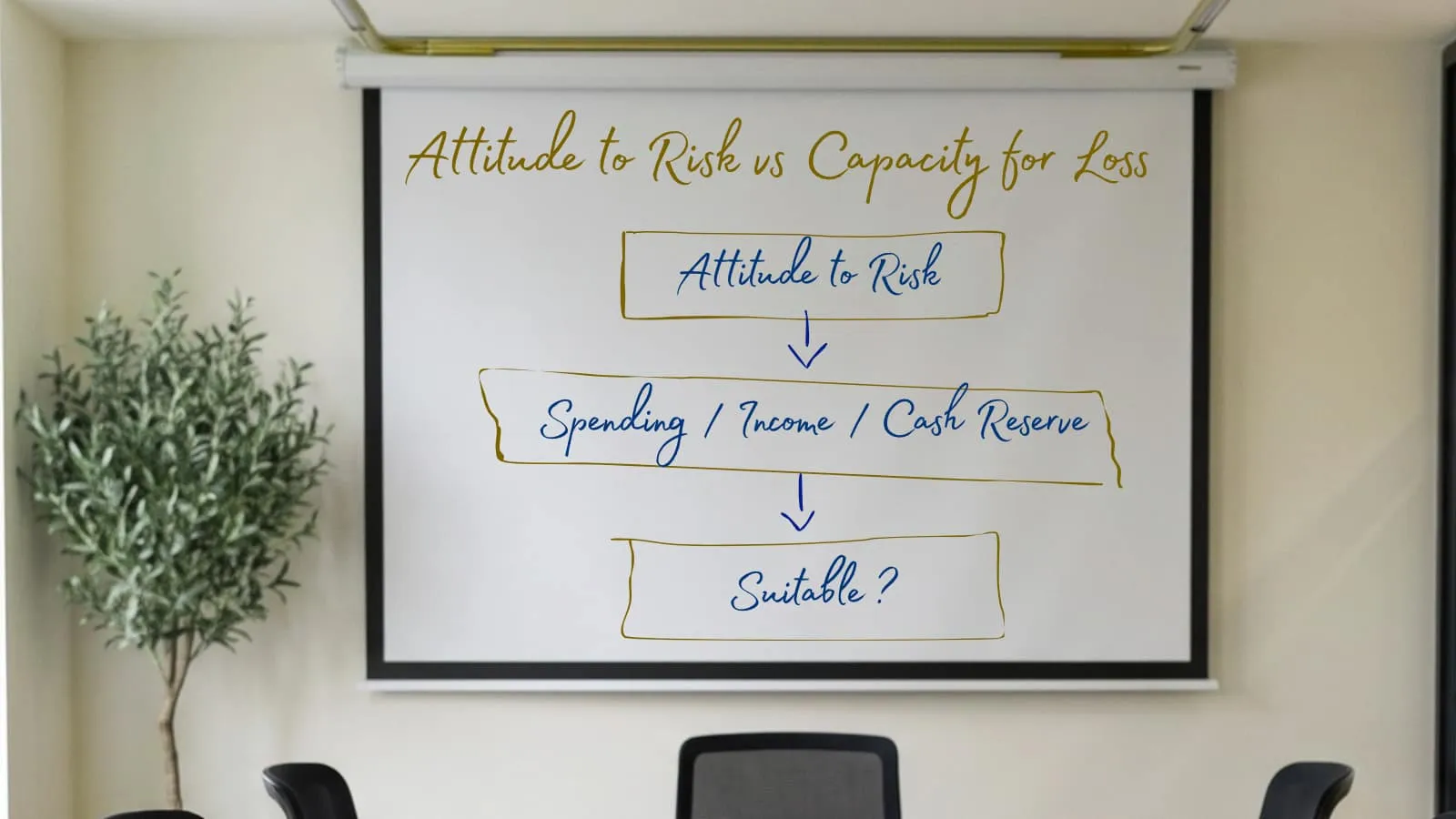
Attitude to Risk vs Capacity for Loss: Winning the Battle of Contemporaneous Evidence
26 October 2026 , 4 min
A signed risk questionnaire does not answer a complaint about losses. Capacity for loss, recorded at the time, does.
Read article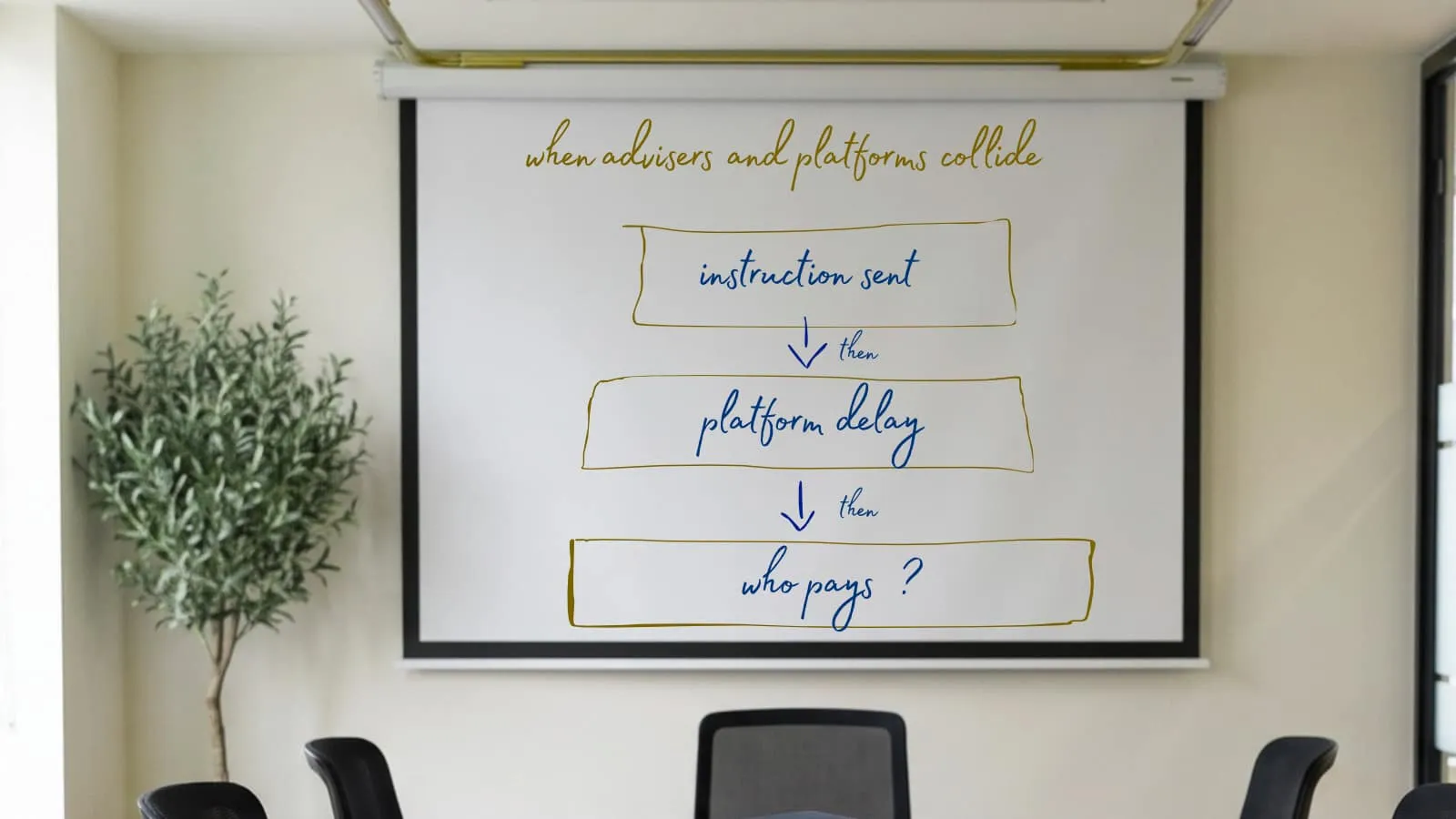
When Advisers and Platforms Collide: Defending the Boundaries of Intermediary Responsibility
26 October 2026 , 4 min
A dealing backlog at the platform is not, by itself, an advice failure. The timeline shows who had the instruction, and when.
Read article
Halting Regulatory Retrospectivity: Defending Legacy Advice Against Post-Consumer Duty Claims
26 October 2026 , 4 min
Consumer Duty language in a complaint about pre-2023 advice does not rewrite the rules that applied on the day. DISP 3.6.4R keeps the case in its own time.
Read article
SIPP Custody vs Advisory Due Diligence: Applying Adams v Options UK to Intermediary Disputes
26 October 2026 , 5 min
When a SIPP asset fails, the operator's duty and the adviser's duty are not the same duty. Adams v Options UK does not merge them.
Read article
Turning FOS Casework into Consumer Duty Root-Cause MI: Complaints as Governance Telemetry
26 October 2026 , 4 min
A falling complaint count is not root-cause information. DISP 1.3 and the Consumer Duty board report ask what kept going wrong.
Read article
Beyond Simple Cash Differences: Why Generalist Accounting Fails FCA Redress Benchmarks (FG17/9)
26 October 2026 , 4 min
Money in minus money out is not a pension redress calculation. FG17/9 and DISP App 1 require the position the client would have been in.
Read article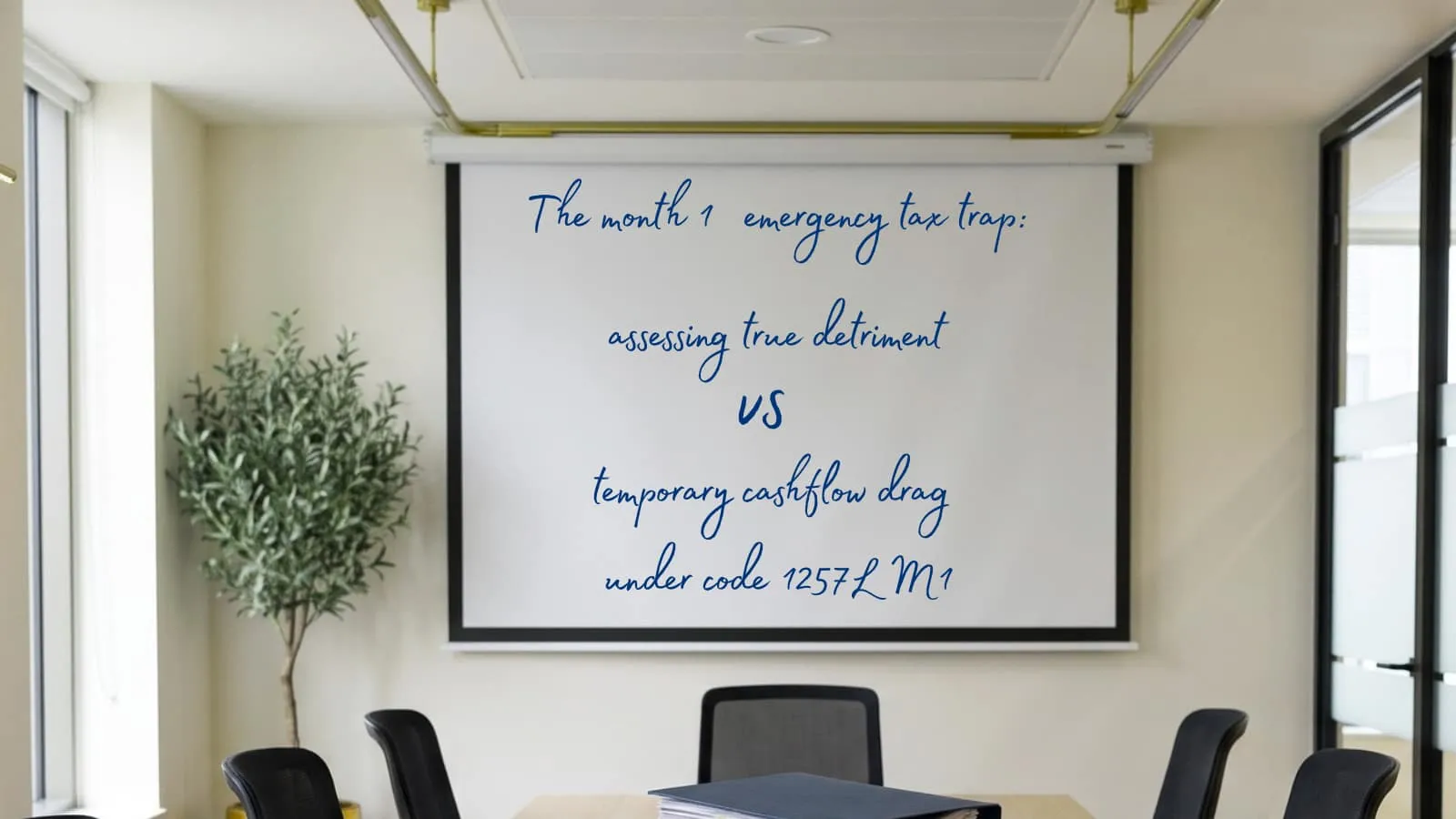
The Month 1 Emergency Tax Trap: Assessing True Detriment vs Temporary Cashflow Drag Under Code 1257L M1
26 October 2026 , 4 min
A Month 1 tax code can withhold thousands on a first drawdown payment. Most of that money is reclaimable. It is not automatically redress.
Read article
Benchmarking Distress and Inconvenience: Defending Against Exaggerated Non-Financial Detriment Claims
26 October 2026 , 4 min
A demand for £5,000 to £10,000 of upset, attached to an ordinary delay, sits outside the Ombudsman's published bands. The log is what places the case.
Read article